



General
Just about any time of year (see the information on climate in the About Kenya section). However, the most popular seasons are mid December to mid March and August to mid the end of October. This is because of the demand for Christmas and winter holidays and the summer school breaks. An increasing number of visitors are realising that June and November are ideal, benefiting from lower visitor numbers.
Flight and Safaris International offers some safaris with greatly reduced or no single supplements in the months of April and May. Also, we may well be able to offer some good discounts for larger groups during this period - please contact us for details.
The millions of wildebeest and zebras are always somewhere, but they are not always in large herds and on the move. Their location is largely dependent on the weather, which can vary considerably from year to year. In general the herds begin to cross into Masai Mara in July and continue through August. They remain in the region until the beginning of December when they follow the rains southward back into Serengeti National Park. They can move in enormously long single file lines or in huge herds.
Yes. All safaris can be booked with the exclusive use of a vehicle for your party. A custom safari for two clients is significantly more expensive per person than seats on a similar small group safari. However, on a custom safari with an exclusive vehicle, the cost of the vehicle and driver/ guide are divided by the number of clients sharing the vehicle. Therefore, the per person cost of a custom safari reduces the more clients that are sharing the vehicle (maximum in one vehicle is usually 7 but on request, such as for families with children, we can carry up to 8).
If you are arranging an exclusive vehicle (custom) safari, then you are free to arrange whatever itinerary you choose, within logistical constraints. Flight and Safaris International presents a small selection of proven itinerary favourites in this website. We can arrange any required itinerary subject to practical and logistical considerations and will be pleased to discuss and quote for your special requirements.
We do not operate a camping safari in Kenya. However, we can arrange a safari using a number of tented camps providing a great holiday experience under canvas.
Because of the size of its organisation and volume of customers, Flight and Safaris International can easily include single travellers on most set date safari departures, subject to there being at least one other booking on the date chosen. There is a supplement to cover the additional cost of single accommodation. However, there is no single supplement (or a greatly reduced one) on most safaris in the low season months of April & May.
A safari is a wonderful trip for any child old enough to enjoy and appreciate the experience. On most safaris there are quite long trips on rough roads, and these cannot really be recommended for babies and very young children.
Children under 12 will benefit from reduced fares on scheduled airlines, and many lodges will provide an additional bed for a child sharing a room with parents at a reduced cost.
If you meet a large predator while on foot, don’t run. Running may trigger the predator to give chase, and is also quite pointless, as the animal runs twice as fast as you. If there are two of you (which there should be, especially at night) or more, move together closely; the predator may then see you as one big opponent, instead of a couple of small ones. In lodge and camp areas, a predator appearing is usually just passing through. Let is pass. Slowly back off. Then inform a watchman or other staff that there are predators around. Tell others to stay away. A predator closing in on you should be told that you don’t like it. Shout at it. Be dangerous. Pelt it with stones if it comes too close.
Don’t get out of the vehicle unless the driver says it is ok. In many parks, moving on foot is not only risky but also means breaking the park rules. There are special places, such as observation points and picnic sites, where it is allowed to get out.
Meeting animals on foot is part of the walking safari concept. Most animals move away when they become aware of you, which usually happens at some distance (you generally get closer to animals if you approach them by car). Walking safaris in wildlife areas should always be escorted by an armed ranger. If on foot close to lakes or rivers where crocodiles may be found, you should stay at least 5 m/yd away from the water’s edge. Crocs have good camouflage, and may be hiding in the water to ambush prey approaching on land. Don’t leave children unattended.
The most popular way to see wildlife on safari is in a 4x4 vehicle. However, game walks and exploration by water in certain destinations are other exciting ways to do so. In East Africa, your safari vehicles are mostly closed, with large windows and a pop-up roof for you to stand up and scout the surroundings. However, there are some open-vehicle options available. The Southern African safari circuit boasts open vehicles, some with a canvas sunshade. Enjoy a walking safari with a qualified guide as you traverse plains and forests learning about your surroundings, all the while keeping an eye out for nearby wildlife. Top your experience off with a hot-air balloon ride above the powerful landscape, with a chance for some superb wildlife viewing.
Embark on your African safari knowing you are traveling responsibly by visiting ecologically friendly lodges and camps, and giving back to the communities around you. Your team will ensure you reduce your carbon footprint by, among other things, ensuring your game drives are in eco-friendly vehicles and by offering drinking water in reusable bottles. The focus is on sustainable tourism and your contributions through your accommodations and game park entrance fees help to maintain a healthy balance in parks and reserves. Giving back to local communities is rewarding and embarking on a sustainable safari ensures your trip makes a helpful contribution.
The African safari circuit is safe, with your experience fully guided from start to finish. Your visits include major hotels in cities and transport by air or comfortable safari vehicles. General safety should always be adhered to and listening to your guides and the team taking care of you at hotels and lodges will ensure your experience is memorable. Out in the wild, you are in expert hands as your safari guides direct and explain the movements of the bush. Adhering to their tips will ensure you are safe.
An African safari is an exciting adventure and being concerned for your health should not be a key focus of this experience. Lodges offer bottled water and quality services in cuisine and comfort. For regions in malaria-risk areas, a relevant prophylactic is recommended. Bug spray and sunscreen should be in your luggage, although lodges and camps do offer insect repellent in the rooms. Bring your own medicine and reach out to your travel advisor for help should you require services such as a fridge to store medication or ensure your room is set up for your CPAP machine, for example. SOme vaccinations may be a requirement, check with your safari consultant for informative advise.
An African safari should be enjoyed by everyone and certain lodges and ground operators have made this possible for visitors with mobility challenges. Whether embarking on a safari that is fully catered to travelers who may be wheelchair-bound or choosing a lodge that offers easy access from communal areas to your room, options do exist and your safari expert can work with you to plan your ideal experience. Some reserves and parks offer safaris in closed vehicles or self-drive options, perfect for those wanting to experience incredible wildlife at their own pace.
It is advisable to pack light for your safari, in weight and the kind of clothing you take. Most camps offer a laundry service, so there’s no need to overpack. Choose a few long pants, shorts, and shirts. Lightweight and breathable fabric that covers your skin tends to work best on safari, with neutral colors recommended so you blend in with the surroundings. Comfortable walking shoes are all you need when on safari, so leave your hiking boots behind and be sure to pack your favorite sneakers. Sandals are acceptable for wandering around your lodge, private chalet, or tent. It’s all part of kicking back and relaxing.
Travel Tips
It is customary to use a 4X4 WD Landcruiser for a typical “African Safari” to accommodate the intense road conditions and rugged terrains in the wildlife areas each fitted with a mini-fridge and charging ports for your electronics, including mobile phones, laptops and cameras. The vehicles are built with the safety and comfort of each of our clients in mind. Each car has unrestricted panoramic views and a capacity of 6 clients, each guaranteed with a window seat with pockets to put your water and other smaller items (however, this may vary with other transporters). The vehicles are fitted with(GPS tracking and a pop-up roof to allow you to stand and capture your best images, a first aid kit, a mini fridge, 12v cigarette lighters, sliding windows and wi-fi on board). Pick-ups, drop-offs and safaris are done with these vehicle/s. The vehicle/s are exclusive to you and your group and not shared with strangers. If you are on a flying safari, your lodge or tented camp will have its own safari vehicles with open sides and each seat elevated to facilitate unparalleled game-viewing opportunities. Sharing a car with other guests is customary unless fully exclusive to you.
When travelling with Flight and Safaris International, you do not need to make your transfer arrangements upon arrival and pre-departure in your holiday destination/s as we will do this on your behalf. Upon arrival at the airport, you will be met with our meet greet and assist airport representatives, who will be happy to assist and guide you to your vehicle, ready to embark on your holiday experience. You will also receive support on your departure day to the airport, prepared to catch your next flight home or other holiday destinations.
Our drivers/ guides have vast experience and knowledge of flora and fauna. They come with high standards of professionalism. Most of them are multilingual, and their languages include English, Spanish, Italian, Chinese, and French. From your first day to the last day of safari, you will be assigned a full-time driver/guide. Our guides are polite, well-experienced, patient, respectful, and easy to banter. They are happy to help you with any questions or concerns during your trip.
You can purchase your flights independently, which may be cheaper. However, there is less protection due to flight changes or cancellations. We would not be held responsible for any issues relating to flights booked elsewhere by you, but we are happy to offer our advice where we can. In this case, we recommend you purchase a travel insurance cover.
The most secure and highly advisable option is to purchase an ATOL-protected travel package, which includes flights. There are many flight options available working on the best routes. Flight tickets to African Countries are generally expensive during the peak seasons from July to October and December to January, with flights starting from £700+ for economy class and £1895 for business class, excluding your travel itinerary. It is always advisable to book your flights in advance for better prices.
Regional Flights: You can access other East African safari destinations through regional flights with Kenya Airways, which fly to Dar es Salaam and Kilimanjaro, Tanzania, and Kigali, Rwanda. Precision Air has daily flights to Kilimanjaro, and Rwandair flies daily from Nairobi to Kigali and Kigali to Dar es Salaam.
Please tell us where you want to go and when and leave the rest to us. Our destination tour representatives will provide meet-and-assist airport services upon arrival and departure dates.
The seasons are characterized by dry weather, making them excellent for game viewing. However, weather patterns are unpredictable, and rain is expected at any time of the year. These seasons are the best times to visit. However, the prices of transport accommodation and park fees are high during this season due to supply and demand
The seasons are characterized by wet months with heavy rainfalls. The quality of game viewing is affected due to dense vegetation and slippery roads. Accommodation prices, transport, and park fees are low due to fewer tourists, and it is a great time to enjoy value for your money if travelling on a budget.
The seasons are characterized by wet months with heavy rainfalls. The quality of game viewing is affected due to dense vegetation and slippery roads. Accommodation prices, transport, and park fees are low due to fewer tourists, and it is a great time to enjoy value for your money if travelling on a budget.
Most safaris are done by road using a custom built-in 4x4 WD safari Landcruiser for your comfort and a more authentic experience. We offer a wide selection of safaris by road. Usually, the safari begins and ends at point A, the site of the major international airport. Your journey starts with road transfers upon arrival with the services of an experienced driver/tour guide. Expect stretches of rugged terrain and long hours on the road for this type of experience. However, a road safari allows you to see and experience different parts of the country and interact with local communities, giving you an authentic African experience.
If you seek to escape the hustle and bustle of road travel, time is of the essence, and you want to pack more into your holiday, we recommend domestic and regional flying safari transfers using scheduled or chartered aircraft. The flying safaris offer a thrilling experience for your safari. Travelling by air, you will enjoy magnificent game-viewing opportunities over the game reserves or national parks on your way to your reserved accommodation. We remind all our clients that a maximum travel luggage allowance of 15 kg soft bags is allowed on small aircraft. However, if you have more luggage, we’ll gladly store it for you at no extra charge. You can also book a scenic helicopter flight to capture spectacular filming and aerial shots while following scenic routes and touching down spontaneously to catch a glimpse of the magnificent views and a plethora of wildlife. A helicopter ride is an unforgettable safari experience and an adventure of a lifetime. Some luxury accommodation facilities provide a private charter.
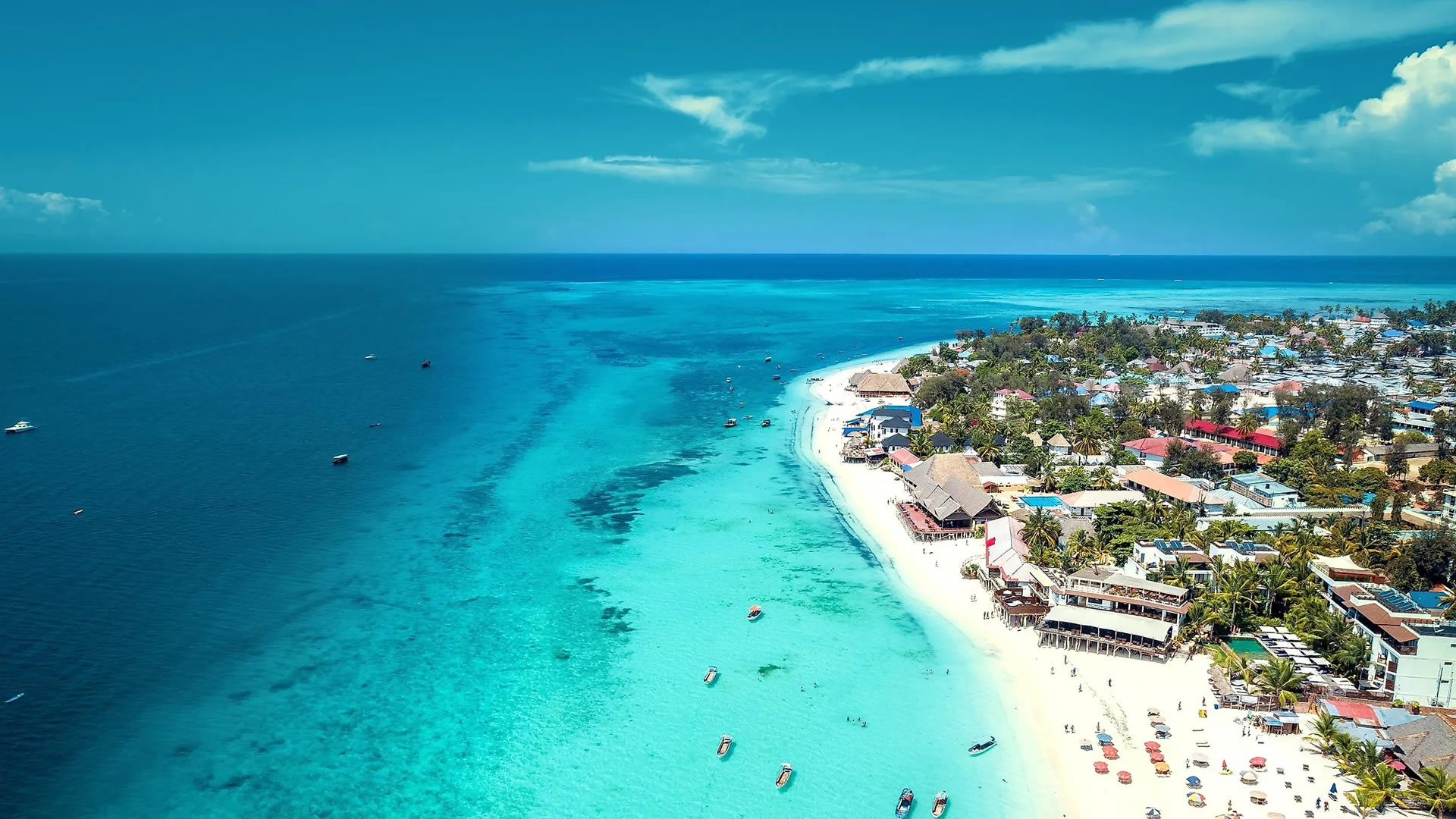
Families are looking for remote and less-touristed destinations to escape monotonous crowds and heat, which can sometimes be overwhelming. Each family is unique and likes to explore different things. That’s why we are giving you a choice of either a beach holiday, safari holiday or a combination of safari and beach holiday if you are seeking the best of both worlds.
East Africa is a child-friendly holiday option: Thanks to its colourful array of animals, birds, trees, flowers, and the pristine Indian Ocean Coastline of Kenya & Zanzibar, East Africa offers the ideal venue for a family holiday
Family safaris can be boring for kids if their interests are ignored. Most accommodation facilities offer a variety of kids' activities to help them connect with nature and appreciate the beauty of the African wilderness. While out in the bush, kids can learn from well-educated guides on how to track animals and educate them on the importance of wildlife and animal conservation. Other activities include swimming, bushwalks around the camp, visiting local schools, horse or pony riding, fishing, bike riding, baking, animal tracking, beadwork, camel rides, roasting marshmallows etc. Activities depend on the accommodation booked. Some properties offer Young Explorer Clubs.
Typically, game drives occur in the early morning, when the animals are out and about, the air is clear and calm, and in the late afternoon.
Children must always be supervised while on safari as animals roam freely in the wild, around swimming pools, and at the beach
Game drives are often unsuitable for toddlers since they involve several hours of driving. In other cases, the vehicle is shared with other travellers who are not keen on the company of the young ones due to crying. If you must bring your toddlers, a fully exclusive vehicle is recommended.
There is no minimum age for kids on safari. However, some considerations, especially when travelling with children below 3 years, include food, a pram, a pushchair, medicine, a car seat, etc
It is also difficult for young children to understand park rules and regulations. Additionally, it can be unpleasant for young children due to heat, bugs, and flies.
Some safari lodges and bush camps impose a minimum age (usually 8 years) on children since they want their guests to enjoy quiet wildlife viewing as noise disturbs animals
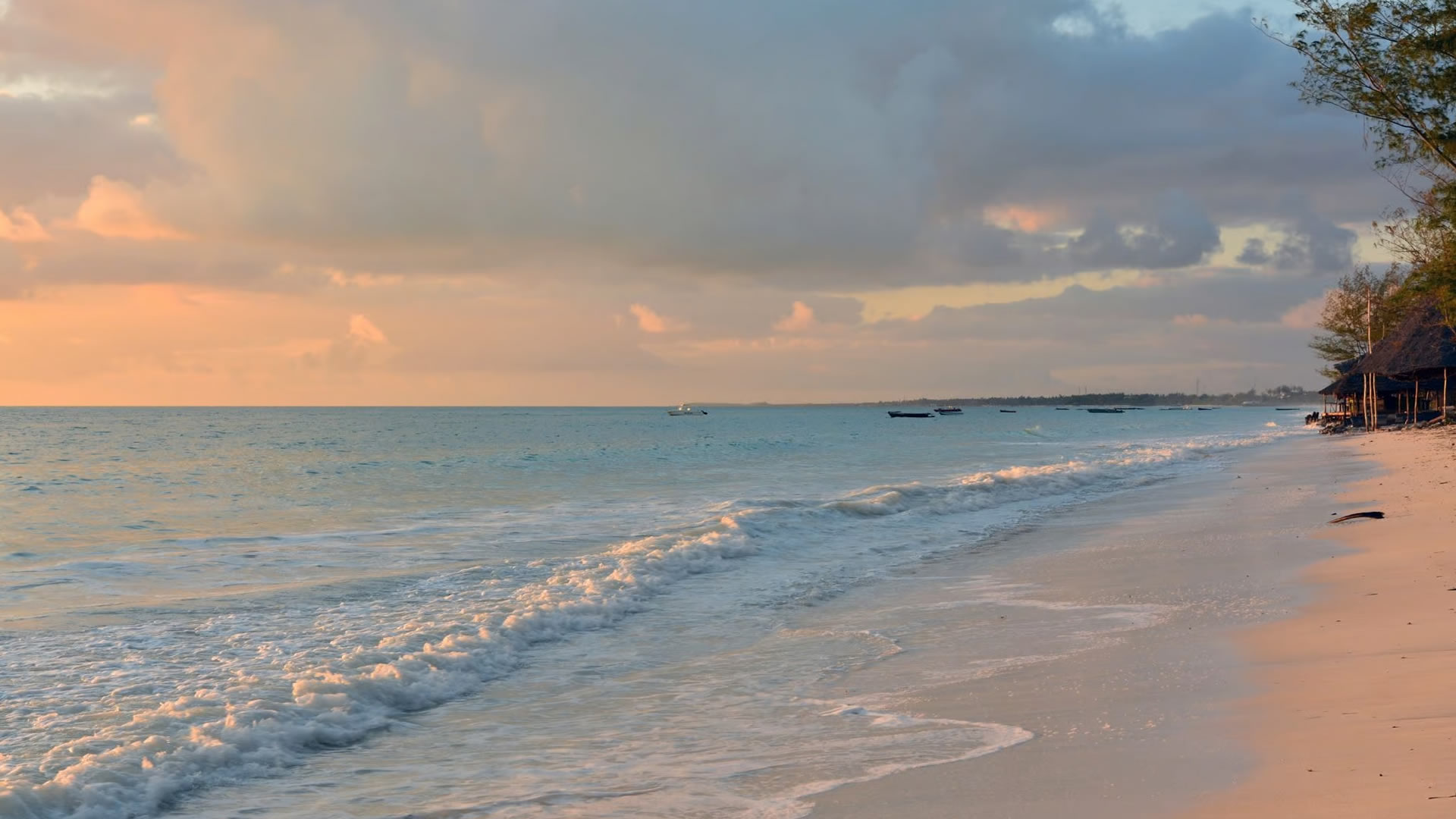
With warm waters all year round, endless white sandy beaches and plenty of shade beneath the coconut palms, the Indian Ocean coastline is a children's paradise. As for pursuits, there are plenty of water sports (pedaloes, dinghies, glass-bottom boats, snorkelling, hang-gliding and more), swimming, building sand castles at the beach, crab hunting, collecting sea shells, snorkelling, and evening entertainment for children at the kids' clubs. Environmental diversions (snake farms, turtle rescue centres, prison island nature trails, butterfly farms). Major beach resorts offer kids' club activities where the young ones will interact and make new friends. The kids' clubs are also perfect for keeping the little ones occupied, especially when parents want time to relax. The kids are kept busy with activities, which might include( sand castle building, collecting sea shells, swimming, arts and crafts, etc)
Most city hotels, beach resorts, bush camps and safari lodges are child-friendly and flexible regarding children's meals. They will be pleased to provide your children's meals (as early as you wish); if you have any particular preferences, talk to the reception or the chefs. The menus may include but are not limited to (fish and chips, mashed sausages, vegetables( peas, carrots, broccoli), potatoes, pizzas, rice, burgers, ice creams, pasta, etc.). Drinking tap water is not safe for either parents or children. Drinking bottled water is recommended while on holiday in Africa. Most accommodation facilities offer complimentary water in your rooms daily. While on safari, you will also get complimentary water from your driver. Additionally, you can purchase extra water from the restaurant if needed or dial in for room service delivery.
Several hotels, beach resorts, bush camps, and safari lodges provide babysitting services (usually booked in advance) for about $10 an hour. Some facilities offer free entertainment for the young ones through “kids clubs” while the parents get a much-deserved rest. Pursuits include nature walks, tennis, ping pong, swimming, sandcastle building, painting& colouring, building blocks, beadwork etc.
Most safari lodges, tented camps and holiday resorts accommodate children, but some have age restrictions. Major hotels and lodges provide additional cots and beds for children free of charge upon request. Some hotels offer “family rooms”, which are more extensive or have adjoining bedrooms for older children. Some facilities provide ‘Family Rooms' to accommodate larger families, which include family suites, private family villas or adjoining rooms to keep the family together
Let us know if you need a car seat for your toddler. Our vehicles can accommodate your baby's car seat, which can be attached to the main seats. We can provide one upon request, but you can bring your own. Joie, every stage seat or Joie i-Level Recline, Graco Slim Fit R129 All-in-One, Cybex Sirona T and Cossato All-in-All -All Rotate, etc are some of the seats that have good ratings
You won't need a pushchair if you are on safari or the beach most of the time. However, it is good to consider having one if you do not have a childminder. Your child can nap in the stroller while you are having meals. Also, keep in mind there might be some uneven roads or paths that might not be pleasant to push your stroller. Instead, bring a comfortable baby carrier like Tula Explorer, Artipoppe Zeitgeist, Infantino Flip, Babby Bjorn Harmony, etc
Flying where you can is the best option when travelling with young ones. The journey is quicker, and you'll avoid the screaming from tired kids. Sometimes, it can be uncomfortable due to earache caused by air pressure. You can use the following tips to prevent or help with an earache: give them plenty of water or liquid during the flight, which allows them to open up eustachian tubes, before landing or take off, give your child acetaminophen or ibuprofen (seek advice from your doctor) if your child has an earache, 3 years and older can chew gum with adult supervision, take a bottle or pacifier or breastfeed, encourage your kids to yawn, practice breathing exercises during ascent and descent.
It is safer to breastfeed babies while on safari than using bottles for hygiene purposes. However, you can still soak up your bottles and pacifiers in warm, soapy water to sterilize. It is not uncommon for women to breastfeed in public as long as long as they are not overexposing their bodies. A little coverup is advised. Many hotels, lodges and resorts offer high chairs for toddlers during meal times.
Taking a holiday with your pre-teen and teenagers can be fun, especially when their interests are met. Sometimes, it is seen as daunting and challenging for many parents since most of them prefer their friends' company or gadgets more than spending time with their families. It is essential to involve them in the planning process of your trip to avoid complaints during your holiday. Additionally, do not forget to include some downtime for them to explore facilities at your camp or resort, such as a gym, pool, pool table, tennis court, etc, since a jam-packed day doesn’t work with teens. Not all teenagers enjoy nature, history and culture. Therefore, you should include several fun and adventurous activities for your teenagers to keep them engaged. Make sure you have a balance so that everyone feels included.
When it comes to a holiday in Africa, the continent has so much to offer, which provides for safari-related activities such as wildlife and bird photography, hot air balloon safaris, cooking classes, wildlife tracking, gorilla and chimpanzee trekking, wildlife conservation efforts, volunteering activities, camel safaris, horse riding activities, hiking, nature trails, night game drives, cycling, bush walks, swimming, gyming, painting, beadwork, school visits and cultural visits. The coastline of the Indian Ocean has a lot of activities that teenagers might enjoy, including kite surfing, sky diving, snorkelling, fishing, cultural visits, marine park conservation activities, swimming, beach volleyball, etc.

